bootstrap vs material design

  1. Bootstrap: Bootstrap is a widely-used front-end framework that provides a comprehensive set of tools, components, and utilities for building responsive websites and web applications. It emphasizes simplicity, ease of use, and speed of development. Bootstrap offers a consistent and utilitarian design, making it great for projects that prioritize functionality and a straightforward user experience.
  2. Material Design: Material Design, developed by Google, is a design language that aims to create a visually pleasing and immersive user experience. It focuses on principles such as realistic motion, depth, and shadow effects to create a tactile and interactive design. Material Design provides a more visually engaging and modern look, making it suitable for projects that aim to deliver a rich and vibrant user interface.

blog-hero-section-img

Microsoft Azure for Business: Benefits, Costs, and Use Cases

One of the most popular cloud service providers is Microsoft Azure for those who want to opt for Microsoft Cloud products and services. It is for Microsoft infrastructure for the cloud.


29 Oct, 2026

Critical PHP Security Update: Immediate Action Required to Protect Your Website

Your website may be running a serious security risk without showing any visible warning. If your website or web application uses PHP, an outdated PHP version could expose your server to attacks that allow hackers to execute malicious code without


23 Oct, 2026

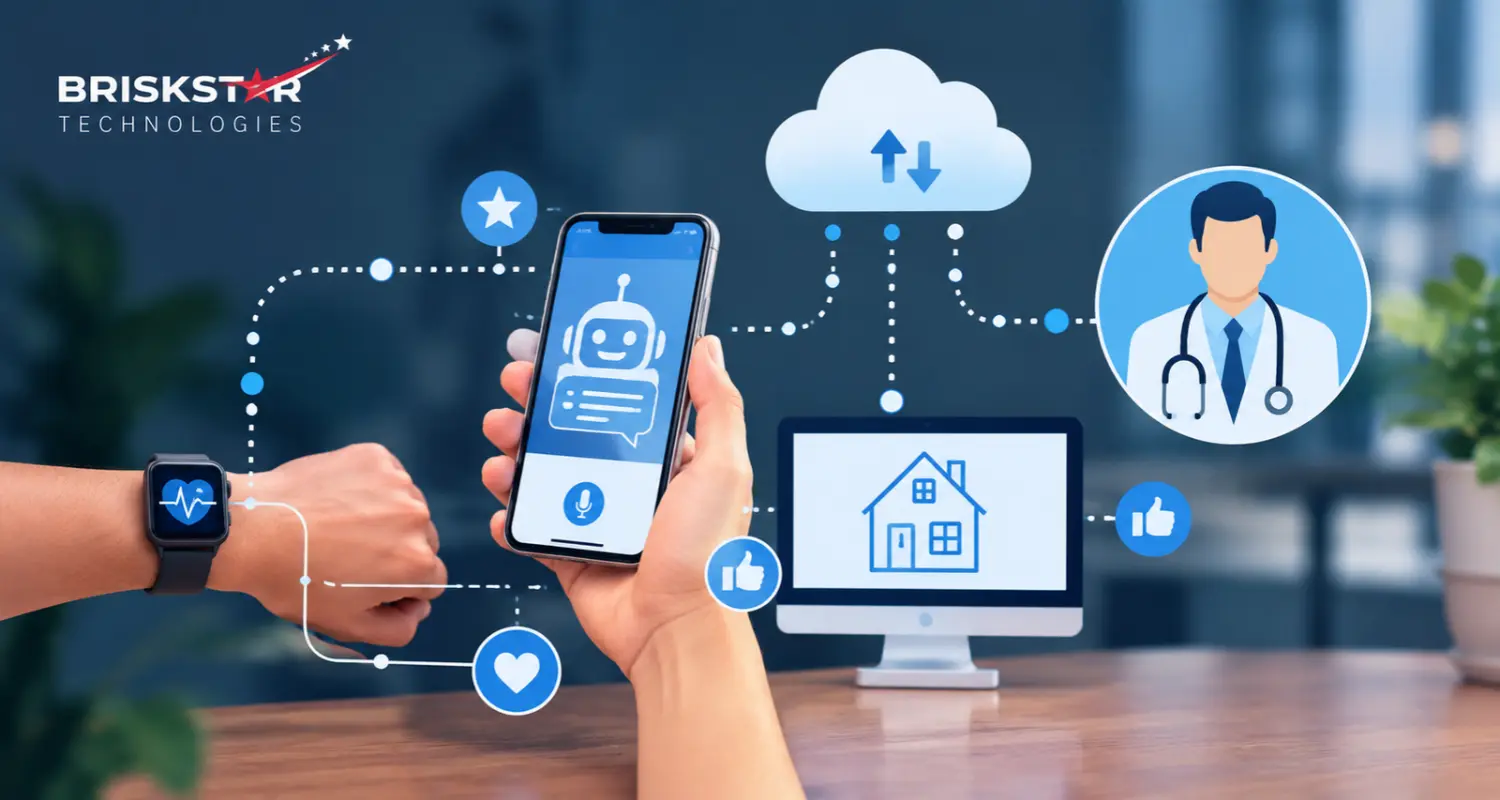
Build a Healthcare App That Makes Patient Care Easier and Your Business More Efficient

Today, doctors used a mobile app is staggering 83%+ numbers. Most of these are health and fitness apps, which enable the tracking of health parameters by users and provide users with interesting insight about their fitness level...


16 Oct, 2026

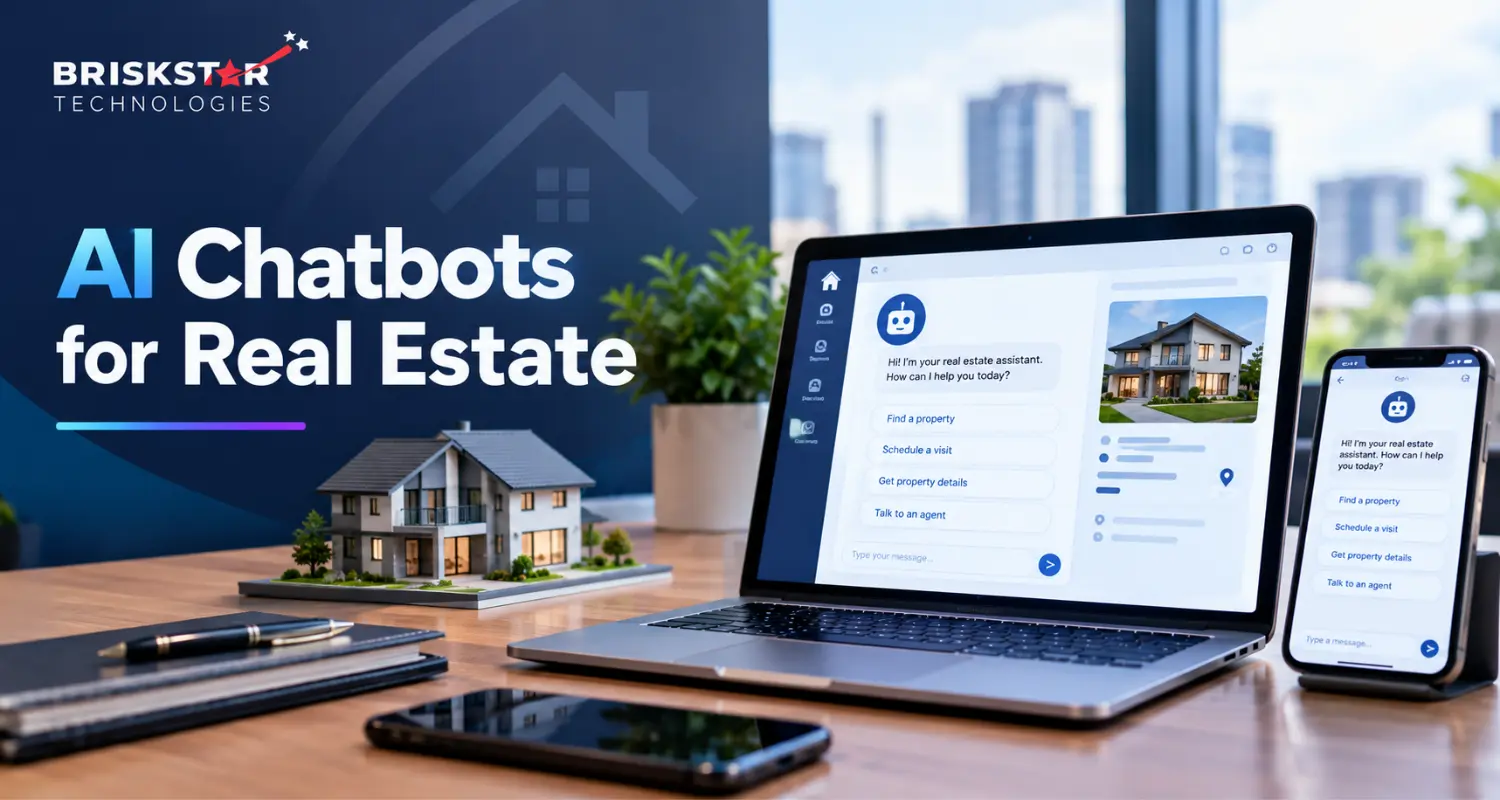
AI Chatbots for Real Estate Lead Qualification

It’s 11:47 p.m. A young couple is scrolling listings on their phone. They find a three-bedroom near the school they want and fill out your inquiry form: “Is this still available? Can we see it this weekend?” Your agents are


09 Oct, 2026

Real Estate CRM Development: Features, Cost, Stack

It’s 9:40 on a Saturday night. A buyer fills out a form on your listing page for a 3BHK they’ve been eyeing for weeks. The lead lands in a shared inbox. Nobody sees it until Monday. By then, a competing


05 Oct, 2026

Best CRM for Small Businesses: Essential Features You Should Look For

A business owner told me last year that his CRM was “useless.” We opened it. Four hundred contacts. Eleven deals in the pipeline. Last activity logged: six weeks earlier. His team wasn’t ignoring the CRM because it lacked features; it


20 Sep, 2026

AI Website Builder: The Complete Guide to Features, Benefits, Costs & Custom Development

Most founders we speak to are not asking “should I use AI to build my website?” They are asking a harder question:ย how much of my website can AI handle before it starts costing me more than it saves? That is


16 Sep, 2026

API Design Principles for Scalable Enterprise Applications

An API can start small. One endpoint connects a mobile app to a backend. Another sends customer information to a CRM. A third connects an internal application with a payment provider. At first, everything seems straightforward. Then the business grows.


09 Sep, 2026

Python Web Framework: A Complete Guide for Beginners

A Python web framework is a collection of ready-made tools that lets you build websites and APIs in Python without writing the plumbing yourself. It handles the repetitive parts of receiving requests from a browser, deciding which piece of your


01 Sep, 2026

Real Estate API and AI Agents: Building the Next Generation of Property Platforms

A buyer opens your property platform and types: “three-bedroom homes under $600,000 near a good school, ready to move in, with parking.” Behind that one sentence sits a genuinely hard engineering problem. Listing data lives in one system. Availability sits


26 Aug, 2026