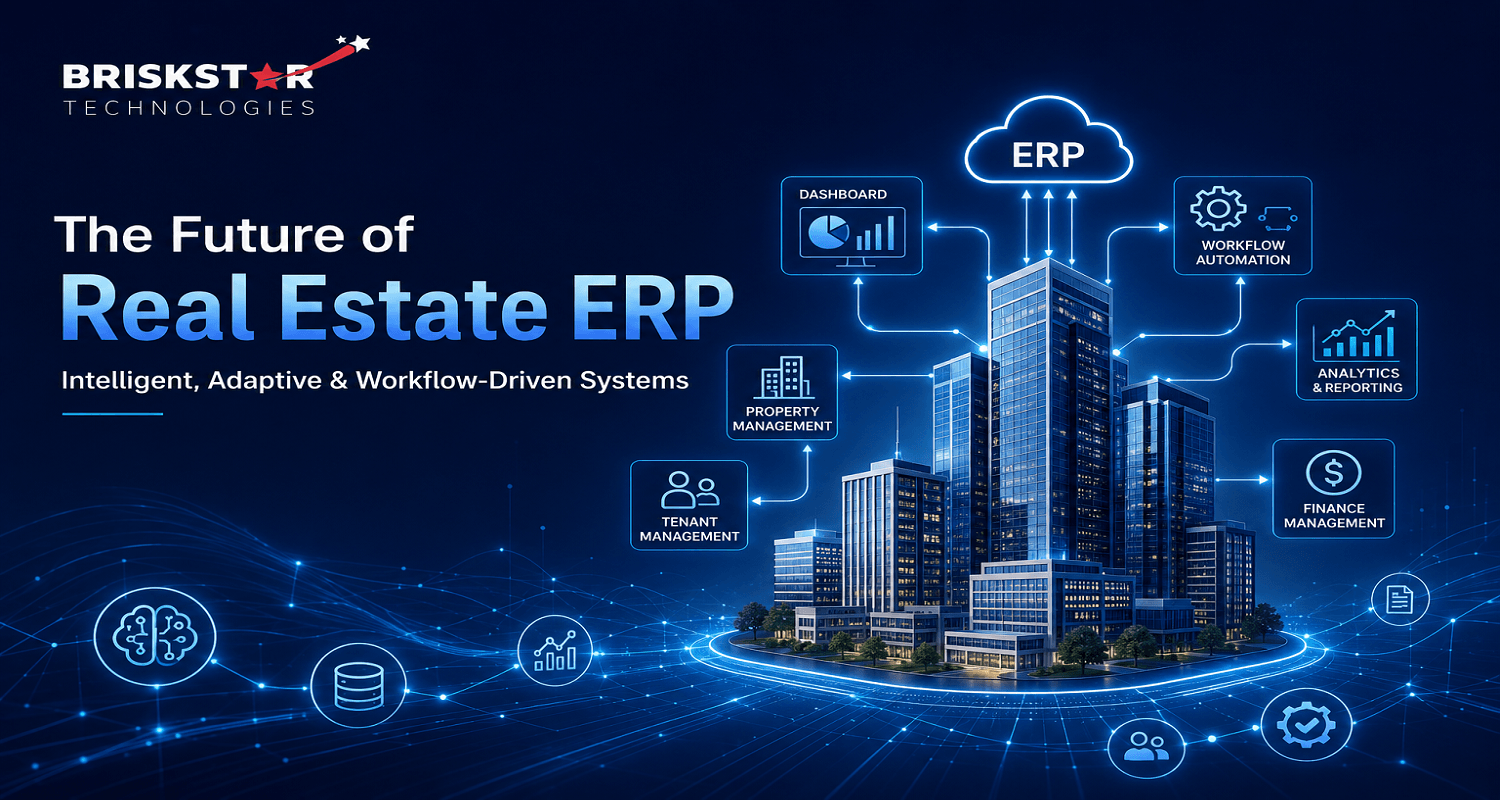
The Future of Real Estate ERP: Intelligent, Adaptive & Workflow-Driven Systems
The real estate industry is evolving at a pace we’ve never seen before. From property listings and client interactions to legal documentation and financial tracking, every aspect of the business is becoming more digital, more connected, and more demanding. However, despite this rapid transformation, many real estate businesses are still operating with outdated systems, spreadsheets, and disconnected tools that slow down their growth and create unnecessary complexity.
This gap between modern expectations and traditional processes is exactly where the need for transformation begins. Today, Real Estate ERP Automation is no longer just about managing daily operations; it’s about redefining how businesses function, make decisions, and scale in a competitive market. Companies are moving away from basic tools toward intelligent systems that can actively support their growth.
Imagine a system that understands your business workflows, adapts to your processes, and automatically handles repetitive tasks without constant manual input. A system that provides real-time insights, helps your team stay aligned, and enables you to close deals faster with better precision. This is not a future concept it is the new reality of modern Real Estate ERP systems. These systems are intelligent, adaptive, and built around workflows that drive efficiency and performance. As we move forward, understanding this transformation becomes essential for any business that wants to stay relevant and competitive.
What is a Real Estate ERP System (And Why It Matters More Today)
A Real Estate ERP system, or Enterprise Resource Planning system, is a centralized platform designed to manage all core business operations within a single, unified environment. Instead of relying on multiple tools for different functions, an ERP system brings everything together, allowing businesses to operate more efficiently and with greater control. It covers essential areas such as property management, lead tracking, sales processes, financial accounting, customer relationship management, and documentation, ensuring that every part of the business is connected.
The real difference, however, lies in how these systems have evolved over time. Traditional ERP systems were primarily focused on storing data and generating reports. They acted as digital record-keeping tools rather than active contributors to business growth. Modern ERP systems, on the other hand, are built with a completely different approach. They are designed to automate processes, support decision-making, and help businesses scale effectively in a dynamic environment.
With increasing competition, rising customer expectations, and ongoing digital transformation, businesses can no longer rely on static systems. They need intelligent solutions that not only manage operations but also enhance them. A modern Real Estate ERP system acts as the backbone of the business, enabling smarter workflows, better communication, and more strategic decision-making. In today’s market, having such a system is not just an advantage it is becoming a necessity for sustainable growth.
Read More: Legacy Real Estate ERP Systems
The Problem with Traditional Real Estate Systems
Before we explore the future of real estate technology, it’s important to understand the challenges that many businesses are still facing today. Despite rapid digital transformation across industries, a large number of real estate companies continue to operate using outdated systems and fragmented processes. These inefficiencies not only slow down operations but also impact growth, customer satisfaction, and overall business performance.
Manual Workflows
One of the biggest challenges in traditional real estate systems is the heavy reliance on manual workflows. Many teams still depend on Excel sheets, manual data entry, and repetitive follow-ups to manage their daily operations. While this approach may seem manageable at a small scale, it quickly becomes inefficient as the business grows. Manual processes increase the chances of human errors, consume valuable time, and often lead to missed opportunities. Sales teams may forget to follow up with potential clients, data may be entered incorrectly, and overall productivity suffers due to unnecessary operational friction.
Disconnected Tools
Another major issue is the use of multiple disconnected tools for different business functions. Real estate companies often use separate platforms for CRM, accounting, and project management, which creates a fragmented ecosystem. As a result, data is scattered across systems, making it difficult to get a unified view of the business. This lack of integration leads to data silos, poor visibility, and delayed decision-making. Teams struggle to collaborate effectively because information is not easily accessible, and leaders are forced to make decisions based on incomplete or outdated data.
Lack of Real-Time Insights
Traditional systems also fall short when it comes to providing real-time insights. Most outdated tools do not offer live dashboards, predictive analytics, or accurate sales forecasting. This means businesses are always reacting to past data instead of making proactive decisions. Without real-time visibility into performance metrics, sales pipelines, and customer behavior, it becomes extremely difficult to identify trends, optimize strategies, or scale operations efficiently. In a competitive market, this lack of insight can significantly impact growth.
Poor Customer Experience
Customer experience is another area where traditional systems struggle. Delayed responses, lack of personalization, and inefficient communication can quickly reduce customer trust. In today’s digital-first world, clients expect fast, seamless, and personalized interactions. When businesses fail to meet these expectations, it directly affects conversion rates and long-term relationships. A slow response time or missed follow-up can mean losing a potential deal to a competitor who is more responsive and organized.
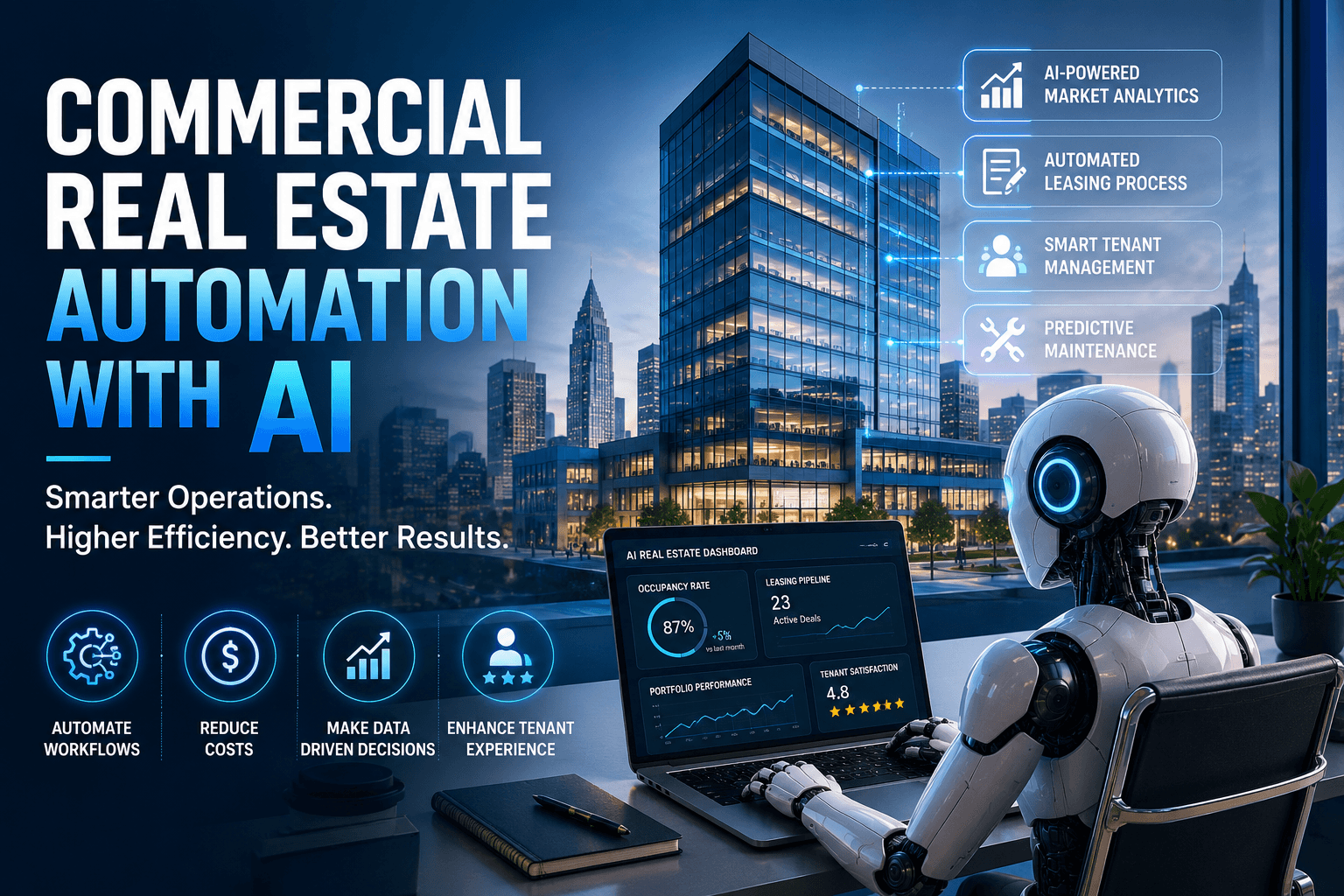
Read More:- Commercial Real Estate Automation with AI
The Evolution: From ERP to Intelligent Real Estate ERP
The future of real estate technology is not just about using ERP systems it’s about transforming them into intelligent, adaptive platforms that actively contribute to business growth. Traditional ERP systems were designed to manage operations, but modern businesses need more than management; they need systems that can think, learn, and optimize processes automatically. This shift toward Intelligent Real Estate ERP is redefining how companies operate, make decisions, and scale in a competitive market.
AI-Powered Decision Making
One of the most significant advancements in modern ERP systems is the integration of artificial intelligence. Today’s systems are no longer limited to storing and processing data; they actively analyze customer behavior, predict buying patterns, and suggest the next best actions for sales teams. For instance, if a potential buyer shows interest in 2BHK properties, the system can automatically recommend similar listings, trigger personalized follow-ups, and notify the sales team at the right time. This level of intelligence reduces manual effort while increasing the chances of conversion. This is exactly where AI in Real Estate Automation becomes a true game changer, helping businesses make faster, smarter, and more data-driven decisions.
Workflow-Driven Systems (The Real Game Changer)
Another major evolution in real estate ERP systems is the shift toward workflow-driven architecture. Instead of relying on users to perform every action manually, modern systems are designed to execute entire workflows automatically. This means that once a process is defined, the system takes over and ensures every step is completed without delays or errors. For example, when a new lead enters the system, it can be instantly assigned to a sales agent, a follow-up reminder can be created, an email can be triggered, the lead status can be tracked, and conversion insights can be generated all without manual intervention. This approach not only saves time but also ensures consistency and efficiency across operations. Workflow automation in real estate ERP is what enables businesses to scale without increasing complexity.
Adaptive & Customizable Systems
Every real estate business operates differently, and modern ERP systems are built with this understanding at their core. Unlike traditional rigid software, intelligent ERP platforms are highly customizable, allowing businesses to tailor them according to their unique processes and goals. Whether it’s a builder managing large-scale projects, a broker handling multiple clients, or a property management company overseeing rentals, the system can adapt to specific workflows and requirements. Additionally, these systems are designed to be scalable, meaning they grow alongside the business without requiring major changes or disruptions. This flexibility ensures that companies are not forced to adjust their operations to fit the software; instead, the software evolves to support their business model effectively.
Key Features of Future-Ready Real Estate ERP Systems
To truly understand the value of modern ERP solutions, it’s important to look at the features that make them future-ready. These systems are not just about managing data they are designed to create efficiency, improve decision-making, and drive business growth. A well-built Real Estate ERP system combines intelligence, automation, and flexibility to support every aspect of your operations.
Centralized Data Management
One of the most fundamental features of a future-ready ERP system is centralized data management. Instead of storing information across multiple tools and platforms, everything is brought into a single unified system. This includes property details, client information, transactions, and important documents. Having all data in one place makes it easier to access, update, and manage information without confusion or duplication. It also improves collaboration across teams, as everyone works with the same real-time data. As a result, businesses can make faster and more accurate decisions without relying on scattered or outdated information.
Real Estate CRM Automation
Real Estate CRM Automation is one of the most powerful components of a modern ERP system. It transforms how businesses manage leads and customer relationships by automating key processes. From automatically assigning leads to tracking the entire customer journey, the system ensures that no opportunity is missed. Follow-ups can be triggered automatically based on customer behavior, and communication becomes more consistent and timely. This not only reduces manual effort but also significantly improves conversion rates. With automation in place, businesses no longer have to worry about delayed responses or lost leads, creating a smoother and more efficient sales process.
Smart Analytics & Reporting
Another essential feature of future-ready ERP systems is advanced analytics and reporting. These systems provide real-time dashboards, detailed sales insights, and accurate revenue forecasting, giving businesses a clear view of their performance. Instead of relying on guesswork, decision-makers can use data to plan strategies, optimize operations, and identify growth opportunities. Real-time insights allow businesses to respond quickly to market changes and customer behavior, ensuring they stay ahead of the competition.
Mobile Accessibility
In today’s fast-paced environment, mobility is no longer optional it is essential. Modern ERP systems are designed to be mobile-friendly, allowing users to access critical data anytime and from anywhere. Whether it’s checking sales updates, managing leads, or tracking team performance, everything can be done on the go. This flexibility empowers teams to stay productive even outside the office and ensures that important decisions are not delayed due to lack of access.
Integration Capabilities
A powerful ERP system does not work in isolation; it connects seamlessly with other tools and platforms. Integration capabilities allow the system to work with payment gateways, marketing tools, and third-party applications, creating a fully connected ecosystem. This eliminates the need for manual data transfer between systems and ensures smooth information flow across the organization. With better integration, businesses can streamline their operations and improve overall efficiency.
Cloud-Based Infrastructure
Cloud-based infrastructure is another defining feature of modern ERP systems. Unlike traditional on-premise solutions, cloud ERP offers scalability, enhanced security, and cost efficiency. Businesses can easily scale their operations without worrying about infrastructure limitations, and data is securely stored with regular backups. Most importantly, cloud-based systems provide access from anywhere, making them ideal for businesses with remote teams or multiple locations.
Benefits of Intelligent Real Estate ERP Systems
Understanding the features is important, but the real value of an ERP system lies in the impact it creates. Intelligent Real Estate ERP systems deliver measurable benefits that directly influence business performance, growth, and customer satisfaction.
Increased Efficiency
One of the most immediate benefits of ERP automation is increased efficiency. By reducing manual tasks, repetitive work, and operational delays, businesses can streamline their processes and improve productivity. Teams can focus on high-value activities instead of spending time on routine tasks, which leads to better performance and faster execution of business operations.
Better Customer Experience
Customer experience plays a crucial role in the success of any real estate business. With automation, businesses can respond faster, communicate more effectively, and deliver personalized experiences to their clients. This creates a seamless interaction journey that builds trust and strengthens relationships. As a result, businesses see higher engagement levels and improved conversion rates.
Improved Sales Performance
Intelligent ERP systems provide valuable insights that directly impact sales performance. By identifying high-potential leads, optimizing follow-up strategies, and tracking the entire sales pipeline, businesses can close deals more efficiently. Sales teams are better equipped with the information they need, allowing them to focus on the right opportunities at the right time.
Data-Driven Decisions
In a competitive market, making decisions based on intuition is no longer enough. ERP systems provide accurate data, predictive insights, and strategic clarity that help businesses make informed decisions. This reduces risks and ensures that every move is backed by reliable information, leading to better outcomes and sustainable growth.
Scalability
As businesses grow, their operational needs become more complex. Intelligent ERP systems are designed to scale alongside the business, ensuring that growth does not create inefficiencies or bottlenecks. Whether it’s handling more data, managing larger teams, or expanding operations, the system adapts seamlessly, providing long-term support for business expansion.
Real-World Use Case: How ERP Transforms Business
To truly understand the impact of a modern ERP system, it helps to look at a real-world scenario. Many real estate businesses start with basic tools like Excel sheets to manage leads, track follow-ups, and store customer data. While this may work initially, it quickly becomes inefficient as the business grows. Leads are often missed due to lack of timely follow-ups, data is scattered across multiple files, and the overall sales process becomes slow and unstructured. This directly affects conversion rates and team productivity.
With the implementation of a Real Estate ERP system, this entire process transforms. Leads are captured automatically from multiple sources and organized within a centralized platform. Follow-ups are triggered intelligently based on customer behavior, ensuring no opportunity is lost. All business data is stored in one place, providing a clear and unified view of operations. Real-time insights allow teams to make faster decisions and respond quickly to customer needs. As a result, businesses often experience significantly faster response times, higher conversion rates, and improved team productivity. This shift clearly demonstrates how ERP systems move businesses from reactive operations to proactive growth.
Challenges in Adopting Real Estate ERP (And How to Overcome Them)
While the benefits of ERP systems are clear, adopting them is not always straightforward. Many businesses face certain challenges during the transition, but with the right approach, these obstacles can be effectively managed.
Resistance to Change
One of the most common challenges is resistance to change. Teams that are used to traditional systems may hesitate to adopt new technology due to fear of complexity or disruption. However, this can be overcome by providing proper training and choosing user-friendly ERP systems that are easy to understand and use. When employees see how the system simplifies their work, adoption becomes much smoother.
High Initial Investment
Another concern for many businesses is the initial cost of implementing an ERP system. While traditional systems may require significant upfront investment, modern cloud-based ERP solutions offer a more cost-effective alternative. These systems reduce infrastructure costs and provide flexible pricing models, making them accessible even for growing businesses.
Integration Issues
Integration with existing tools and processes can also be a challenge. Businesses often worry about how a new system will fit into their current workflow. The solution lies in choosing scalable and flexible ERP platforms that are designed to integrate seamlessly with other tools. This ensures a smooth transition without disrupting ongoing operations.
Future Trends in Real Estate ERP Systems
As technology continues to evolve, Real Estate ERP systems are becoming more advanced and intelligent. The future holds exciting possibilities that will further transform how businesses operate.
Hyper-Automation
Hyper-automation is set to redefine efficiency in real estate operations. From lead management and sales processes to documentation, everything will be automated to minimize manual effort and maximize productivity. Businesses will be able to operate faster and more accurately than ever before.
AI + Human Collaboration
The future of ERP is not about replacing humans but enhancing their capabilities. AI-powered systems will work alongside teams, providing insights, recommendations, and automation support. This collaboration will allow businesses to achieve better results while maintaining the human touch in customer interactions.
Predictive Business Models
Future ERP systems will go beyond managing current operations and start predicting future outcomes. By analyzing market trends and customer behavior, these systems will suggest strategies and help businesses stay ahead of the competition. This shift toward predictive intelligence will be a key driver of growth.
Voice & Chat-Based Interfaces
User interaction with ERP systems is also evolving. Voice commands and chat-based interfaces will make it easier to manage operations without complex navigation. This will improve accessibility and make systems more intuitive for users at all levels.
IoT Integration
With the rise of smart properties, ERP systems will increasingly integrate with IoT devices. This will allow businesses to manage and monitor properties in real time, creating new opportunities for efficiency and innovation in property management.
How to Choose the Right Real Estate ERP System
Selecting the right ERP system is a critical decision that can directly impact your business success. It’s not just about choosing a system with the most features, but finding one that aligns with your business needs. A good ERP system should support Real Estate ERP Automation, offer customization based on your workflows, and include Real Estate CRM Automation capabilities. It should also be scalable to grow with your business and capable of integrating with your existing tools. Ultimately, the right system is one that fits seamlessly into your operations and enhances them without adding unnecessary complexity.
Why Businesses Are Investing in Workflow-Driven ERP
The growing interest in workflow-driven ERP systems comes from a simple realization: success today is not about working harder, but working smarter. These systems automate repetitive tasks, improve accuracy, and increase operational speed. By streamlining workflows, businesses can eliminate inefficiencies and create structured, predictable processes. This not only improves day-to-day operations but also builds a strong foundation for long-term growth. Workflow-driven ERP systems enable businesses to scale confidently while maintaining control and consistency.
Final Thoughts: The Future is Already Here
The real estate industry is at a critical turning point where technology is no longer optional; it is essential. Businesses that embrace intelligent systems, workflow automation, and AI-driven insights are positioning themselves for faster growth, smarter operations, and better customer experiences. These companies are not just adapting to change; they are leading it. On the other hand, businesses that continue to rely on outdated systems risk falling behind in an increasingly competitive market.
Ready to Transform Your Real Estate Business?
At Briskstar, we specialize in building intelligent, workflow-driven ERP solutions tailored for real estate businesses. Our goal is to help you automate operations, improve efficiency, and scale your business with confidence. Whether you are looking for Real Estate ERP Automation, custom CRM systems, or AI-powered business solutions, we provide end-to-end support from strategy to execution.
If you are ready to simplify your operations and accelerate your growth, now is the time to take the next step. Let’s work together to build a smarter, more efficient future for your business.